
Reviewed · GRAND CANYON DAY TRIPS FROM PHOENIX
Grand Canyon Aerial Tour (AIR)
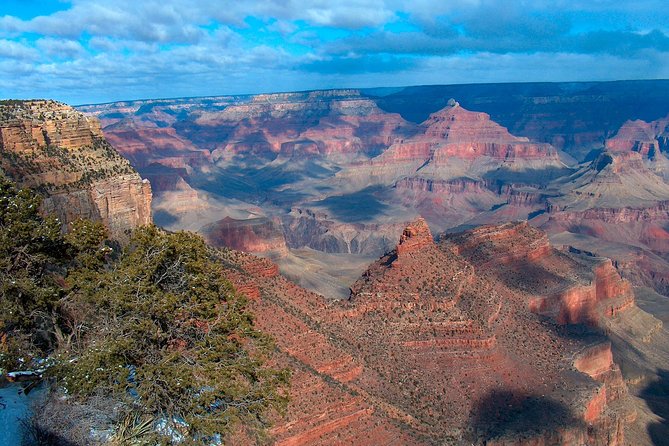
Grand Canyon views look better from above. This Phoenix-to-Canyon aerial tour gives you a smooth flight, clear on-board narration, and a real chunk of time looking down into the rock layers. My favorite part is how the route builds up to the main event, with a scenic circuit over places like Sedona and the San Francisco Peaks. The main thing to weigh is that you’re flying only if the weather cooperates, and the tour can get chilly at altitude.
I also like the fact that you’re not stuck on a long, complicated day plan. You’re on the air for about three hours total, and you come back to the same meeting point. With a maximum of 36 travelers, it has a more “small group” feel than the big cattle-car operations. One drawback: food and drinks aren’t included, so you’ll want to plan around that.
In This Review
- Key points I’d bank on before booking
- Why a Grand Canyon aerial flight from Phoenix is a smart use of time
- The small-jet setup (36 travelers max) and what that means for your experience
- Meeting point at 732 W Deer Valley Rd: how to plan your arrival
- Verde Valley to Sedona: the sky route that warms up the big moment
- San Francisco Peaks and Coconino Plateau: reading altitude like a pro
- The 30 minutes over the widest and deepest Grand Canyon stretch
- How narration and pilot skill change what you take away
- What to bring: warm layers, ear comfort, and window-time essentials
- Choosing morning vs afternoon: what changes for you in practice
- Weather is the gatekeeper: how to handle a possible reschedule
- Value for a short Arizona trip: what you actually get
- Who this Grand Canyon aerial tour fits best
- Should you book the Grand Canyon Aerial Tour (AIR)?
- FAQ
- How long is the Grand Canyon aerial tour?
- Where does the tour start and end?
- What time does the tour depart?
- Is the flight narrated?
- How much of the flight is over the Grand Canyon?
- What’s included in the price?
- Is food or drinks included?
- How many people are on the tour?
- What happens if weather is poor?
- Can I get a full refund if I cancel?
Key points I’d bank on before booking
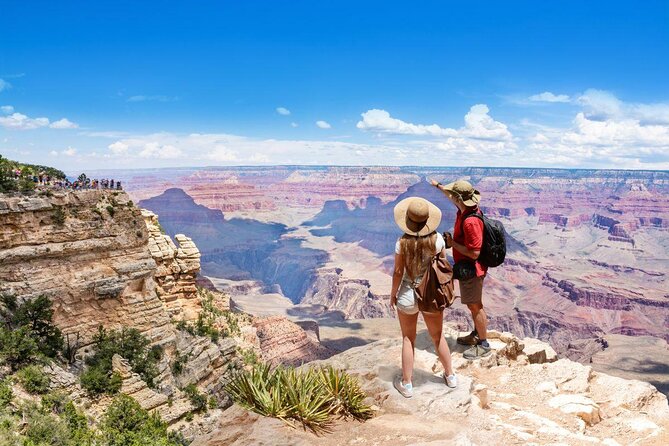
- 30 minutes over the canyon’s widest and deepest stretch gives you time to actually take it in
- Narration on the flight helps you connect what you see to what it is
- Small-jet format with a max of 36 travelers keeps the vibe easy
- Route highlights before the canyon include the Verde Valley, Sedona, and the San Francisco Peaks
- Pack for cold air and bring ear-comfort items like gum
- English-speaking experience makes the story of the canyon easy to follow
Why a Grand Canyon aerial flight from Phoenix is a smart use of time
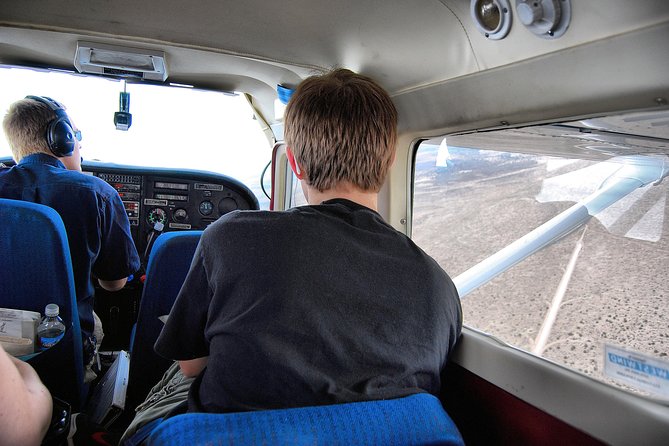
If your goal is the Grand Canyon, this is one of the most time-efficient ways to get there. Instead of losing hours on roads and parking and doing the “how do we see it all” dance, you’re in the air for a big, uninterrupted block of sightlines. The whole experience runs about 3 hours, and it works well when you’re only in Arizona for a short window.
From Phoenix, the timing also feels flexible. You can choose between morning and afternoon flights, and the start time shown for one option is 3:00 pm. That lets you pair it with a morning hike, a late lunch, or a relaxed day before you head to the meeting point.
Value here is less about seeing the canyon “for a second” and more about getting meaningful time above it. The tour includes 30 minutes over the widest and deepest part of the Grand Canyon. That matters because the canyon is not a simple photo subject. From the air, you need a little time to orient yourself, spot how the layers line up, and watch how the light changes across the bends.
The small-jet setup (36 travelers max) and what that means for your experience
This tour is operated by Westwind Air Service and capped at 36 travelers. That number doesn’t sound small on paper, but in practice it helps. You’re less likely to feel like you’re in a huge group where everything is rushed, and you often get a calmer feel from the pilot crew during boarding and takeoff.
A small jet also tends to make the flight feel more like a guided ride through the sky rather than a chaotic “line up and hope for the best” experience. If you care about having a good view, you’ll enjoy that the flight is focused on sightseeing, not hopping between stops.
And yes, you’ll be looking out a window for most of the time. That’s the point. So if you’re the type who wants variety, know that the variety comes from the changing geography—valleys, plateaus, and the canyon itself—not from changing activities on the ground.
More Grand Canyon day trips that leave Phoenix early for the South Rim
Meeting point at 732 W Deer Valley Rd: how to plan your arrival
The tour starts at 732 W Deer Valley Rd, Phoenix, AZ 85027, and it ends back at that same meeting point. That’s convenient. You’re not trying to solve the “where do we end up” puzzle, which can eat up the last bit of good energy in a day.
The meeting point is listed as near public transportation, which can help if you’re not driving. Still, you should plan to arrive with buffer time. Flights have a way of being punctual, and you’ll want to be settled before boarding.
Also remember: transportation to and from the airport isn’t included. In plain terms, you’re responsible for getting to the meeting point and back. If you’re coming from a hotel, make sure you have a realistic ride plan for the afternoon schedule (especially if you’re dealing with traffic).
Verde Valley to Sedona: the sky route that warms up the big moment
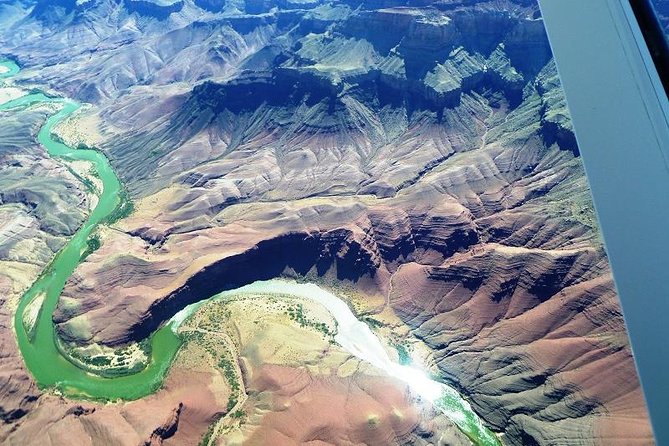
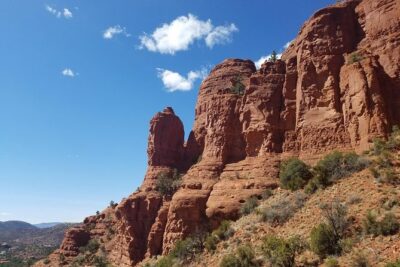
Before you ever reach the canyon, you’ll spend time looking over the scenery around Phoenix. The flight includes a scenic route up the Verde Valley, then over Sedona, and past the San Francisco Peaks. Think of this as your warm-up course: you’ll get familiar with the area’s shape—valleys, buttes, and mountain silhouettes—before the canyon scale hits you.
From the air, the Verde Valley area typically reads like a long greenish corridor compared to the surrounding rock. Sedona is easier to recognize because of the distinctive reddish terrain patterns that stand out from the sky. Even if you don’t know the names of every formation, you can still see why photographers chase these areas: the canyon-colored rock forms make strong contrasts with the land around them.
This part of the route is valuable because it changes how you look at the Grand Canyon when you get there. By the time you’re heading over the canyon, you’ll already have a sense of regional geography—mountains, plateaus, and the way the land cuts across the region.
San Francisco Peaks and Coconino Plateau: reading altitude like a pro
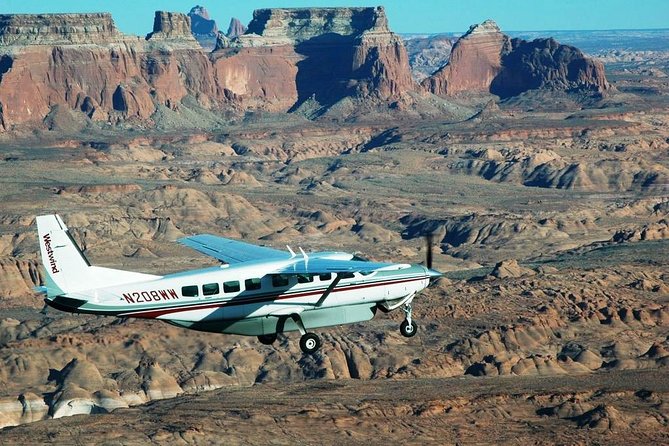
After Sedona, the flight goes past the San Francisco Peaks and over the Coconino Plateau. These aren’t just dots on a map. From above, they help you understand the Grand Canyon isn’t floating in a vacuum. It’s part of a larger system of high ground and dramatic elevation changes.
The San Francisco Peaks area shows up from the air as a higher, more mountainous presence. You’ll likely notice how the surrounding terrain looks more rugged and segmented as altitude increases. Then the Coconino Plateau portion helps you see the “bigger layer cake” effect—flat-ish or gently rolling high country giving way to deeper breaks.
If you want to get more out of the window time, use this simple approach: pick one visual reference, then compare it to what you see later over the canyon. For example, notice the mountain massing or the plateau edges before you reach the canyon. When the canyon arrives, your brain will already be trained to spot transitions.
More helicopter and scenic flights over the canyons from Phoenix
- Biplane Flight in Mesa, AZ – Easily Accessible from Scottsdale
★ 5.0 · 21 reviews - Monument Valley Air and Ground Tour from Phoenix (MVJ)
★ 5.0 · 18 reviews - Phoenix: Grand Canyon National Park Tour & Helicopter Flight
★ 5.0 · 14 reviews
The 30 minutes over the widest and deepest Grand Canyon stretch
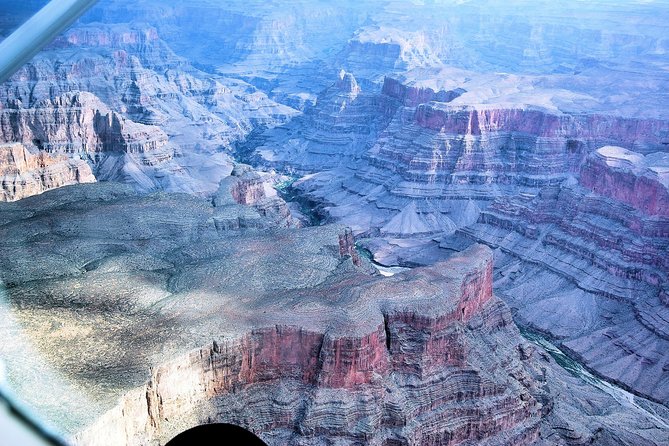
Here’s the main event. You’ll get about 30 minutes over the widest and deepest part of the Grand Canyon. That’s the kind of detail that matters, because not all aerial experiences allocate that same chunk of “look time.”
Over the widest and deepest section, you’ll have the chance to see how the canyon expands and contracts. From above, the canyon’s scale is hard to grasp at first. That’s normal. The canyon walls look like they’re stacked, folded, and carved in layers. Then, with a little time, you start noticing the pattern of the river corridor and how it sits far below.
This portion also tends to reward patient watching. Give yourself a few minutes just to orient. Where do the major bends sit? How do the rock layers angle? What parts look brighter or darker based on the light? That’s why the 30 minutes is such a good fit. It’s long enough for your eyes to adjust and for the view to become more than just a wow moment.
How narration and pilot skill change what you take away
The flight includes on-board narration, which is a big part of why this tour works. Seeing the Grand Canyon from the air is impressive, but narration adds the “why.” You’re not only looking at shapes. You’re also getting a guided mental map while you look.
Pilots also matter here. One set of praise in the feedback notes pilot Josh for clear narration and smooth flying. Even if you don’t remember every detail, clear narration helps you catch the big story points fast, while the view is still on-screen.
Tip: listen first, then look. If you try to do both at full intensity, you’ll miss the best visual moments. Let the narration set up what to look for, then glance at the window to match the description to the rock features.
What to bring: warm layers, ear comfort, and window-time essentials
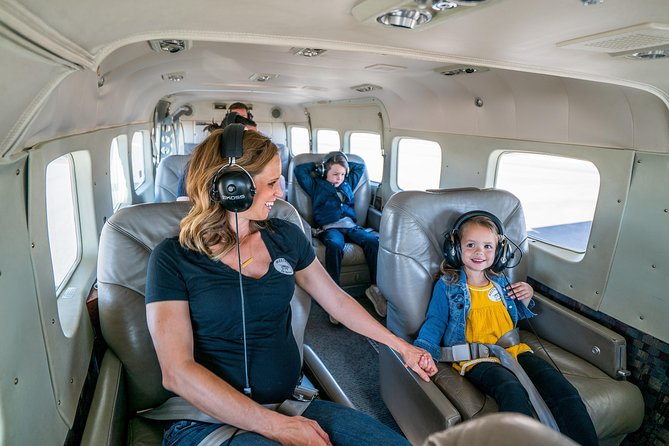
Plan to dress for temperature swings. One piece of advice stands out from the experience feedback: if you’re flying in winter or spring, bring warm layers like a jacket and warm socks, plus a scarf or hat if you tend to get cold easily. In the air, it can get chilly, and the canyon area doesn’t feel like a place where light jackets are enough.
For ear comfort, bring gum. That’s not a fancy travel hack; it’s a practical one. Pressurization changes during flight can make your ears feel odd, and gum gives you something simple to do during the transitions.
Also, since food and drinks aren’t included, think about timing. If you’re sensitive to hunger, eat beforehand or plan a snack strategy that fits your schedule. You’ll be happier during the flight if you aren’t also managing low energy.
Choosing morning vs afternoon: what changes for you in practice
You can choose between morning and afternoon flights, and that choice affects more than vibes. The angle of the sun matters for how canyon colors show up through the window, and the light can shift during the flight.
An afternoon option like the one listed with a 3:00 pm start can be great if you like a slower start to the day. It can also be a good pairing with other Arizona plans. The tradeoff is that afternoon flights often mean you’ll want to be prepared for temperature changes between ground time and flight time.
If you’re the type who wants the best chance at comfort, I’d choose based on your tolerance for heat earlier in the day versus the cold in the air. Pack either way for chilly altitude, but plan your base-layer choice around when you’ll be outside on the ground.
Weather is the gatekeeper: how to handle a possible reschedule
This experience requires good weather. That’s not a small detail. Aerial tours live and die by visibility and safety conditions.
If the tour is canceled due to poor weather, you’ll be offered either a different date or a full refund. That’s the practical part to know. It means you can book with less stress than a non-refundable plan, as long as you’re flexible enough to move dates if needed.
This also explains why confirmation isn’t instant. You receive confirmation within 48 hours of booking, subject to availability. So if you’re running a tight schedule, keep your dates workable for at least a couple of days.
Value for a short Arizona trip: what you actually get
There’s an easy way to measure the value of this kind of tour: it gives you a high-impact view without a long day of driving. You cover major Arizona scenery from the air, then concentrate the best part into a scheduled window with 30 minutes over the canyon.
You’re also getting narration, not just sightseeing. That makes a difference if you like learning but don’t want a museum lecture. You’ll leave with a better sense of what you saw, not just a pile of photos.
And the group size helps. With up to 36 travelers, the experience tends to feel manageable. If you’re worried about feeling herded, this format is more comforting than big-bus tours.
For people planning around limited time—weekend trips, short stopovers, couples with one day in town—this is a strong use of time. It’s also a good option if you want a Grand Canyon experience without committing to a full day hike or an extended road trip.
Who this Grand Canyon aerial tour fits best
This tour is built for people who want a Grand Canyon highlight quickly and enjoy the idea of learning from the sky.
It’s a good match if:
- you want the canyon without a long drive
- you like guided storytelling while you look out the window
- you prefer a small group setting (36 max)
- you travel with someone who wants an easy “see it all” day
It may be less ideal if:
- you don’t like flying and would rather be on the ground
- you expect food to be part of the package
- you have a very rigid schedule that can’t handle a weather reschedule
The good news is that it’s marked as most travelers can participate, and it runs in English, so language won’t be a barrier for most visitors.
Should you book the Grand Canyon Aerial Tour (AIR)?
I’d book it if you’re aiming for one thing: a strong Grand Canyon view with time to actually look. The 30 minutes over the canyon’s widest and deepest stretch is the selling point that really matters, and the narrated flight is what turns a scenic ride into an experience with context.
I’d hesitate only if you can’t handle flight-related factors like cold cabin air, ear pressure changes, or the reality that weather can affect departure. If that stuff won’t bother you, this is a practical, high-value way to see the Grand Canyon from above without burning a full day on logistics.
If you’re standing in front of your trip calendar thinking you can squeeze in something memorable, this one is built for that moment.
FAQ
How long is the Grand Canyon aerial tour?
The tour lasts about 3 hours.
Where does the tour start and end?
It starts at 732 W Deer Valley Rd, Phoenix, AZ 85027 and ends back at the same meeting point.
What time does the tour depart?
One listed departure time is 3:00 pm, and the tour also offers morning or afternoon flight options.
Is the flight narrated?
Yes. You get on-board narration during the scenic portion of the flight.
How much of the flight is over the Grand Canyon?
About 30 minutes are spent over the canyon’s widest and deepest part.
What’s included in the price?
The included item is the air tour itself.
Is food or drinks included?
No. Food and drinks aren’t included.
How many people are on the tour?
The tour has a maximum of 36 travelers.
What happens if weather is poor?
If it’s canceled due to poor weather, you’ll be offered a different date or a full refund.
Can I get a full refund if I cancel?
Yes. You can cancel up to 24 hours in advance for a full refund. If you cancel less than 24 hours before the start time, the amount you paid won’t be refunded.
More Tour Reviews in Phoenix
- Small-Group or Private Grand Canyon with Sedona Tour from Phoenix★ 5.0 · 2,405 reviews
- Phoenix Morning Hot Air Balloon Ride with Bubbly + Breakfast★ 5.0 · 2,049 reviews
- 3 Hour Guided TomCar ATV Experience in Sonoran Desert★ 5.0 · 1,947 reviews
- Guided Arizona Desert Tour by ATV – Centipede Tour★ 5.0 · 1,386 reviews
More Grand Canyon Helicopter & Scenic Flights
- Biplane Flight in Mesa, AZ – Easily Accessible from Scottsdale★ 5.0 · 21 reviews
- Monument Valley Air and Ground Tour from Phoenix (MVJ)★ 5.0 · 18 reviews
- Phoenix: Grand Canyon National Park Tour & Helicopter Flight★ 5.0 · 14 reviews
More Grand Canyon Day Trips from Phoenix
- Small-Group or Private Grand Canyon with Sedona Tour from Phoenix★ 5.0 · 2,405 reviews
- Grand Canyon with Sedona and Oak Creek Canyon Van Tour★ 5.0 · 1,337 reviews
- From Phoenix: Grand Canyon with Sedona Day Tour★ 4.8 · 511 reviews
- From Phoenix: Grand Canyon, Sedona, and Oak Creek Day Trip★ 4.8 · 497 reviews
Not sure yet? Here are more Phoenix tours and Arizona day trips in the guide


Grand Canyon Day Trips from Phoenix, compared.
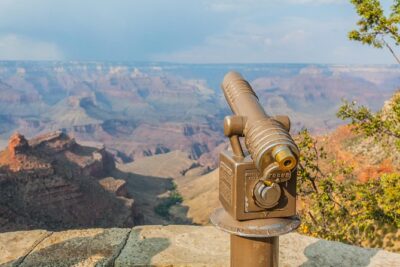 ★ 5.0Small-Group or Private Grand Canyon with Sedona Tour from PhoenixFrom $2352,405 reviews
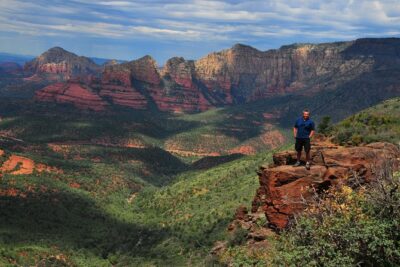 ★ 5.0Grand Canyon with Sedona and Oak Creek Canyon Van TourFrom $1981,337 reviews
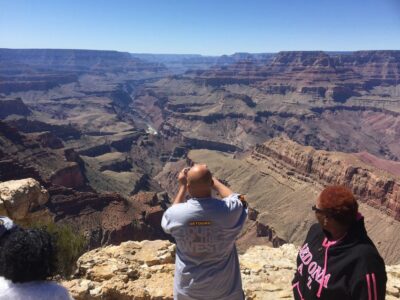 ★ 4.8From Phoenix: Grand Canyon with Sedona Day TourFrom $219511 reviews
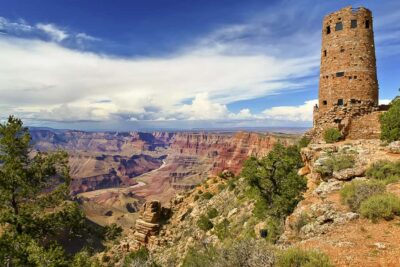 ★ 4.8From Phoenix: Grand Canyon, Sedona, and Oak Creek Day TripFrom $220497 reviews
 ★ 5.0Grand Canyon and Sedona Day Adventure from Scottsdale or PhoenixFrom $270308 reviews
 ★ 5.0Custom Grand Canyon Day TripFrom $265242 reviews
 ★ 5.0Sedona and Grand Canyon Full-Day TourFrom $285224 reviews
 ★ 4.9From Phoenix/Scottsdale: Sedona & Grand Canyon Day TourFrom $295158 reviews
Browse the lists this tour appears in