
Reviewed · EVENING EXPERIENCES
After Dark Desert Tour and Navigating the Night Sky
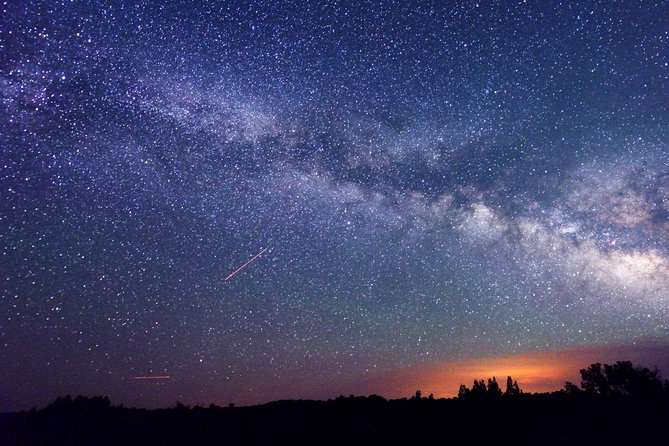
A dark desert sky changes everything. This 3-hour Scottsdale evening pairs constellations and Arizona history with real stargazing time and a short, easy walk after dark. You start at sunset, drive out past the city glow, then spend the night pointing your curiosity upward.
Two things I really like: the guide, Dave of My Arizona Guide, shares local desert and cultural context in a way that sticks, and the comfort is built in—flashlights, snacks/drinks, and plenty of ways to view the sky (not just standing around). One thing to consider: the tour description promises telescopes, but if that’s your main goal, ask how telescope time will work on your date so you’re not expecting one thing and getting another.
In This Review
- Key things to know before you go
- Setting out from Scottsdale: easy pickup and a true desert start
- How the evening unfolds: sunset, then night sky
- The part you don’t get from apps: constellations as navigation
- Telescopes, binoculars, and what you might actually see
- Comfort and gear: snacks, chairs, and lying down under the stars
- A short night walk with black lights and surprise wildlife
- Easy walking, real safety, and a guide who drives well
- Who this is best for (and who may want something else)
- Price and value: is $425 per person worth it?
- Weather matters more than you think
- Should you book After Dark Desert & Navigating the Night Sky?
- FAQ
- How long is the After Dark Desert & Navigating the Night Sky tour?
- What’s included during the tour?
- Is pickup offered from hotels in the Phoenix area?
- Are telescopes and flashlights provided?
- Is this tour private or shared with other groups?
- What happens if weather is poor?
Key things to know before you go
- Sunset-to-stars timing: you get set up as darkness falls, not after it’s already fully night
- Hotel pickup across the Phoenix area: you’re not stuck driving yourself in the dark
- Night-sky viewing tools: telescopes/binoculars, plus flashlights and black lights for the walk
- Desert history tied to the sky: constellations connected to navigation and long-passed cultures
- Comfort comes with the astronomy: cots/chairs/blankets for star viewing in multiple positions
- Snacks and drinks are part of the show: water, juices, Arizona teas, fruit, nuts, and snack bars
Setting out from Scottsdale: easy pickup and a true desert start
This is the kind of tour where you don’t have to be the organizer. Pickup is offered at just about any hotel in the Phoenix area, and you’ll roll out to the desert with your group so the evening stays simple from minute one. With a private setup (only your group participates), it also feels less rushed than the big “herd of people” style you may be used to.
The drive matters because the viewing depends on where you end up. Moving away from city light makes a huge difference in how many stars you actually see, and that’s exactly what this tour is designed to do.
How the evening unfolds: sunset, then night sky
The tour begins with a sunset desert tour, so you arrive at the stargazing stop while there’s still enough light to orient yourself. That matters because your brain learns faster when you’re not trying to figure out direction, terrain, and the stars all at once.
After dark, you’ll do a short walk. It’s described as easy walking, but it’s still the desert at night, so you’ll want steady footing and patience. Your flashlights and black lights help you navigate and look for movement, and the guide can point out nighttime critters that are easier to spot once your eyes adjust.
A few more Scottsdale tours and Sonoran Desert day trips worth a look


The part you don’t get from apps: constellations as navigation
Stargazing is fun, but the reason this tour earns repeat bookings is the way the guide connects the sky to human stories. You’ll hear about constellations and how they relate to ancient navigation traditions—basically, how people used the night sky to travel, plan, and understand the world long before GPS existed.
The cultural and historical sweep is big, covering Arizona’s long human record—from early peoples like Clovis, Folsum and Basketmakers through Anasazi, Salado, and Hohokam, then into more recent Native groups including Hopi, Pai, Pima, and newcomers like Apache and Navajo. Instead of listing names and moving on, the tour frames the sky as a tool: astronomy and math weren’t just abstract concepts. They helped people get where they needed to go.
If you like your travel experiences with context (not just a photo of the moon), this is the best part of the night.
Telescopes, binoculars, and what you might actually see
The tour setup includes telescopes and binoculars to get an intimate look at the moon, stars, and glimpses of distant planets. In plain terms: binoculars help you scan and orient, while telescopes let you zoom in for a more dramatic view. You’ll also have flashlights to help you move safely and keep your bearings during the night portion.
People often mention planet targets depending on the clearness of the sky. From the information shared with this experience, you might catch views like Venus, Uranus, Polaris, or even Jupiter and its moons and Saturn’s rings when conditions line up. You may also see shooting stars, and there are even mentions of a meteorite being pointed out.
Practical advice: if telescopes are the main reason you booked, confirm ahead of time how telescope time works on your specific evening. That way, you’re aligned with what you’ll actually use during the night.
Comfort and gear: snacks, chairs, and lying down under the stars
This tour isn’t only about the sky—it’s about staying comfortable while you wait for your eyes to adjust. Included refreshments include water, juice, Arizona tea, fresh fruit, nuts, and snack bars, so you’re not left hunting for a convenience store during a desert evening.
On top of that, the guide provides stargazing comfort items so you can watch longer without fatigue. You may get chairs positioned for star viewing, and there are accounts of cots and blankets being available so you can lie back and look upward. That’s a subtle quality-of-life win. You’ll see more when you’re not trying to stay upright for hours.
Also, expect the guide to keep things organized: help with orientation, guidance for what to watch for, and regular resets so the group stays together and safe.
- Sonoran Desert Jeep Tour at Sunset
★ 5.0 · 2,650 reviews - Private Scottsdale Off-Road Jeep Tour
★ 5.0 · 1,247 reviews - Sonoran Desert Jeep Tour
★ 5.0 · 919 reviews - Scottsdale & Phoenix 2 Hour Desert Guided ATV Tour
★ 5.0 · 485 reviews
A short night walk with black lights and surprise wildlife
After the main stargazing setup, the tour includes a short walk at night. You’ll be given black lights and flashlights to help you navigate and to look for movement. The desert at night can be oddly active once you know where to look—some creatures are only visible after dark.
You may also encounter live critters brought by the guide. Some guests mention meeting reptiles/creepy-crawly companions during the evening, which adds an up-close twist to the usual star-only plan. If you prefer wildlife at a distance, keep your expectations flexible and stick close to the guide during the walk.
Easy walking, real safety, and a guide who drives well
The physical effort is kept light. The walking portion is described as easy, which makes this a strong option if you want an outdoors evening without a long hike. Still, it’s dark, so you’ll want to take the footing seriously. Follow the guide’s instructions on where to step and where not to, especially during the black-light portion.
Safety also shows up in how the night is run. Guests consistently describe feeling safe and well taken care of, and they highlight smooth driving on the desert roads. If you’re traveling with kids or anyone who gets tense in unfamiliar settings, that kind of calm leadership is a big part of the value.
Who this is best for (and who may want something else)
This tour is a great fit for couples and families who want an evening activity that feels both educational and relaxing. It’s also well suited for people who don’t want to do complicated planning—pickup is offered, gear is provided, and the guide handles the storytelling and the sky “pointing.”
It’s especially good if you like:
- a guided night sky experience with clear explanations
- desert ecology and nighttime animals
- cultural history connected to the stars
The main “think twice” scenario is simple. If you hate night-time walking on uneven ground, or if you’re booking strictly for telescope viewing with very high expectations, you should confirm telescope access for your date and be ready to use binoculars too.
Price and value: is $425 per person worth it?
At $425 per person for about 3 hours, this is not a budget activity. But you’re not just paying for a star lecture. You’re paying for:
- private group participation (only your group, not a rotating crowd)
- pickup from hotels across the Phoenix area
- desert timing (sunset ramp-up into darkness)
- astronomy gear (telescopes/binoculars, plus flashlights/black lights)
- comfort tools (chairs/cots/blankets are mentioned)
- snacks and drinks that keep the evening comfortable
If you’re the type who values a great guide and wants a “handled for you” experience, the price starts to make more sense. If you’re traveling with a group of friends or family, the private dynamic can feel even better because the guide can pace and explain with your group’s needs in mind.
One more practical angle: this experience is commonly booked about a month in advance on average. If you want a specific night, don’t wait too long—especially around weekends.
Weather matters more than you think
This experience requires good weather. If it gets canceled due to poor weather, you’ll be offered a different date or a full refund. Plan to dress for desert nighttime temperatures (stars require clear skies, and desert nights can feel cooler than you expect).
Bring a flexible mindset. If the sky isn’t as clear as hoped, telescope views may be less satisfying, but the guide’s explanations and the general night-sky experience still depend heavily on how quickly darkness settles and how much visibility you get.
Should you book After Dark Desert & Navigating the Night Sky?
Yes—if you want a guided desert night that blends astronomy with real context, and you’d rather be shown where to look than figure it out yourself. The strongest reasons to book are the guide-led storytelling from Dave, the easy pace, and the fact that you’re set up for actual viewing with comfort items and hands-on tools.
Only pause if telescopes are your single top priority. If that’s your reason for booking, ask how telescope time will be handled on your date so your expectations match the evening’s setup.
FAQ
How long is the After Dark Desert & Navigating the Night Sky tour?
The tour is approximately 3 hours.
What’s included during the tour?
The tour includes water, juice, Arizona tea, fresh fruit, nuts, and snack bars.
Is pickup offered from hotels in the Phoenix area?
Yes. Pickup is offered at just about any hotel in the Phoenix area.
Are telescopes and flashlights provided?
Telescopes and binoculars are part of the stargazing experience, and black lights and flashlights are used to help with the short night walk and navigation.
Is this tour private or shared with other groups?
It’s a private tour/activity, and only your group participates.
What happens if weather is poor?
This experience requires good weather. If it’s canceled due to poor weather, you’ll be offered a different date or a full refund.
More Evening Experiences in Scottsdale
- Sonoran Desert Jeep Tour at Sunset★ 5.0 · 2,650 reviews
- 2 Hour Segway Tour – Scottsdazzle Holiday Lights & Sunset★ 5.0 · 100 reviews
More Tours in Scottsdale
- Sonoran Desert Jeep Tour at Sunset★ 5.0 · 2,650 reviews
- Private Scottsdale Off-Road Jeep Tour★ 5.0 · 1,247 reviews
- Sonoran Desert Jeep Tour★ 5.0 · 919 reviews
- Scottsdale & Phoenix 2 Hour Desert Guided ATV Tour★ 5.0 · 485 reviews
More Tour Reviews in Scottsdale
- Pedal Bar Crawl of Old Town Scottsdale★ 5.0 · 4,254 reviews
- Party Bike Private Party Up To 14 People in Old Town Scottsdale★ 5.0 · 3,541 reviews
- Sonoran Desert Jeep Tour at Sunset★ 5.0 · 2,650 reviews
- Private Scottsdale Off-Road Jeep Tour★ 5.0 · 1,247 reviews
Not sure yet? Here are more Scottsdale tours and Arizona day trips in the guide

Evening Experiences, compared.
 ★ 5.0Sonoran Desert Jeep Tour at SunsetFrom $1552,650 reviews
 ★ 5.0Sunset Hot Air Balloon Ride Over PhoenixFrom $225227 reviews
 ★ 5.02 Hour Segway Tour – Scottsdazzle Holiday Lights & Sunset100 reviews
 ★ 4.5Phoenix Ultimate Dead of Night Ghost TourFrom $3349 reviews
 ★ 5.0Phoenix Mountains Preserve Night Glow HikeFrom $7525 reviews
 ★ 5.0Guided Desert Sunrise or Evening/Sunset 2-Hour Hike at South Mtn22 reviews
 ★ 5.0Sonoran Desert: Sunset Jeep Tour with Tonto National ForestFrom $19019 reviews
 ★ 4.5Phoenix Dead of Night Ghost Hunt Walking TourFrom $4514 reviews