
Reviewed · CAMELBACK & SONORAN DESERT HIKING
Guided Desert Sunrise or Evening/Sunset 2-Hour Hike at South Mtn
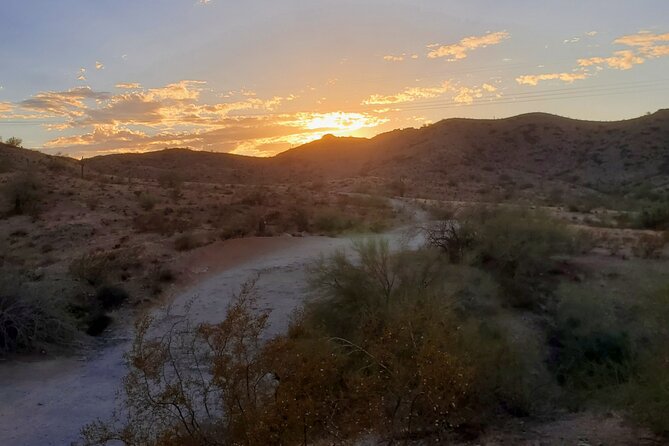
Phoenix heat can feel personal. This guided hike trades the midday grind for cooler air and big-city views from South Mountain, usually on a moonlit or sunset schedule. I like how the route mixes easy walking with a real climb, so you get payoff without turning it into a leg-day punishment. The other thing I really like: you’ll get practical, on-the-ground desert learning while you hike, from cactus and palo verde to animal calls. The main drawback to plan for is the moderate terrain: you’ll cover about 5 miles and hit steeper, rocky bits, so you should bring solid shoes and don’t treat it like a flat stroll.
What makes this especially worth your time is the guide’s style. Scott Z keeps the hike moving, but he also stops often to explain what you’re actually looking at—plus he builds in the fun when the light changes, including extra gear for darker sections. One consideration: start times and the “night wildlife vibe” depend on conditions like moonlight and weather, so the exact sightings can vary.
If you want a Phoenix nature experience that feels local, not generic, this hits the mark.
In This Review
- Quick hits you’ll feel on the trail
- Entering South Mountain Park: why this hike feels different
- The Pima Canyon Trailhead plan: meet-up and timing that make sense
- What the 2–3 hour hike really looks like (and where it’s tricky)
- Stop at South Mountain Park: petroglyphs, rocks, and plant life you can name
- When the light fades: coyotes, owls, and blacklight surprises
- Pace, safety, and the guide’s role (Scott Z makes a difference)
- What to bring for South Mountain comfort
- Pricing and value: what you get for your money
- Who this is best for (and who should choose something else)
- Should you book the South Mountain sunrise/sunset hike?
- FAQ
- How long is the South Mountain guided sunrise or sunset hike?
- Where does the hike start?
- Is this hike beginner-friendly?
- Do I need to bring water and the right clothing?
- Will there be flashlights or lighting at dusk or night?
- What will we see besides views?
- What happens if the weather is poor?
Quick hits you’ll feel on the trail
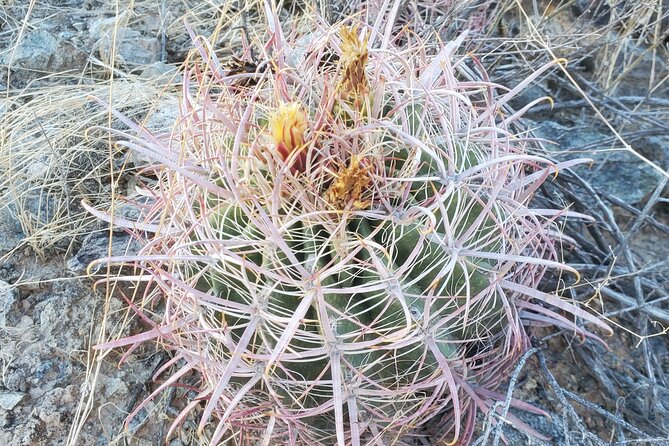
- Sonoran Desert storytelling, plant-by-plant from saguaros to palo verde
- Petroglyphs and rock formations on a route that doesn’t waste your time
- Sunrise/sunset timing for cooler walking and skyline views
- Moonlight + optional flashlight support for safer footing at dusk
- Blacklight fun at night (you might spot algae on rocks and even a scorpion)
Entering South Mountain Park: why this hike feels different
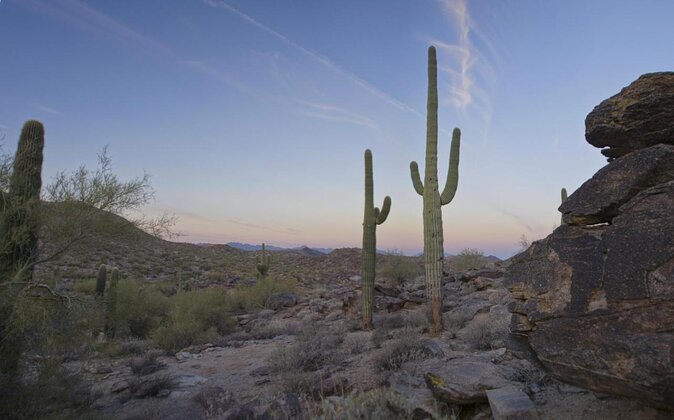
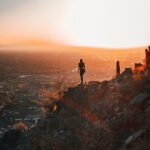
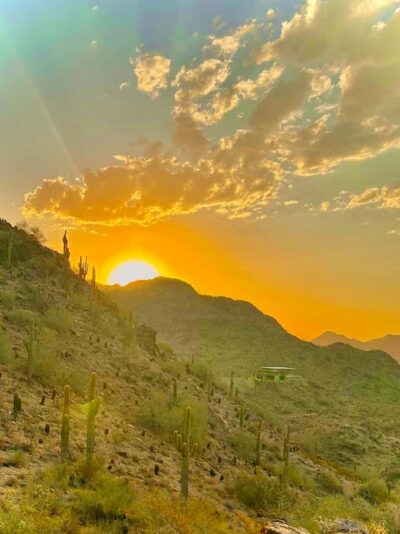
South Mountain Park is one of the best ways to see Phoenix without leaving Phoenix. Instead of driving to something far away, you climb a desert mountain right by town and watch the city glow in the distance. The timing matters here. Whether you pick sunrise or evening/sunset, you’re walking when the desert is calmer and the light makes everything easier to notice—textures in the rocks, shadows on the shrubs, and that gradual reveal of the skyline.
This is also a great “first desert hike” option. You’ll learn how the Sonoran Desert works through what’s around you: plants that store water, animals that appear at certain hours, and the kinds of patterns you see on old stone (including petroglyphs). It’s not a lecture that floats above the hike. It’s information tied to what you’re stepping past.
And yes, you get the escape from daytime heat. For a lot of visitors, this is the most comfortable way to experience the desert vibe—especially in warmer months.
The Pima Canyon Trailhead plan: meet-up and timing that make sense
You’ll meet at the Pima Canyon Trailhead, 4500 E Pima Canyon Rd, Phoenix, AZ 85044. The hike ends back at the same starting point, so there’s no complicated logistics puzzle or “transfer to another vehicle” moment.
The schedule runs within a listed season window (04/25/2026–06/03/2026), and the activity is available daily during the posted hours (6:00 AM–9:00 PM). That matters because it gives you flexibility to pick the light you want—morning, sunset, or that in-between time when the desert goes quiet.
Group size is capped at 60 travelers, which keeps things from feeling chaotic. Still, you’re hiking in a small crowd, so if you’re the type who wants complete quiet, you may notice other people.
More Camelback and Sonoran Desert hikes worth an early Phoenix start
What the 2–3 hour hike really looks like (and where it’s tricky)
This hike is described as moderate and covers about 5 miles over 2–3 hours. The route starts with a warm-up: the first couple miles are relatively flat. That’s your chance to get your legs in gear, settle your footing, and start noticing desert details without feeling rushed.
Then you gain elevation. Expect some steeper and rocky areas. That’s the part you plan for—because the views are worth it, but you don’t want to guess on the shoe situation. At minimum, wear sneakers with decent support; ankle support is a smart idea.
If you’re going in winter, bring a light jacket. Desert mornings and evenings can turn chilly, especially once you’re higher up or the sun drops behind the hills.
You’ll also want water. Heat and elevation combine fast, and the desert doesn’t care if you’re on vacation.
Stop at South Mountain Park: petroglyphs, rocks, and plant life you can name
The heart of the experience is South Mountain Park, where you’ll ascend to a lookout with excellent Phoenix views. Along the way, you’ll check out ancient petroglyphs and see rock formations up close. Seeing those marks in person changes your understanding of the place. You’re not just looking at “cool rocks.” You’re seeing evidence of how people moved through and noticed this environment long before cars.
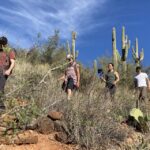
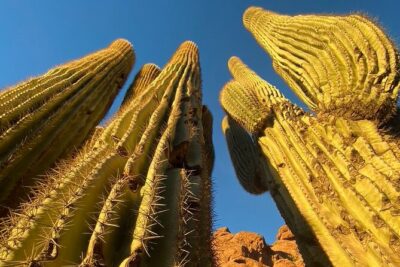
The guide’s desert focus is one of the biggest reasons people love this hike. You’ll likely hear about the Sonoran Desert’s plant life in a practical way—how to recognize common plants and why they thrive here. From the information and stories shared on hikes like this, you can expect attention on plants such as saguaro cactus and palo verde, plus other local species you’ll notice once someone points out the clues.
Why that matters: learning a few names and traits makes the whole desert feel more legible. You stop guessing. You start seeing.
When the light fades: coyotes, owls, and blacklight surprises
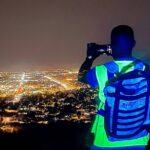
If you choose an evening or sunset option, the hike shifts gears when darkness arrives. The desert at night has a different soundtrack. You might get time to listen for coyotes, and on some outings, owls show up in the background calls.
Footing becomes the real safety issue at this stage, not the animals. That’s why flashlights are part of the plan. You might not need them depending on moonlight, but you’ll have them available “just in case.” In practice, people often use headlamps and handheld lights once the path gets darker.
One of the coolest night tweaks is the blacklight element. With the right light, you can spot things you’d never notice in normal vision—like algae growth on rocks. And there’s also a chance to see small desert creatures up close; on past hikes with Scott Z, a scorpion has been spotted using the special lights. You’re not being “promised” a creature like a theme park. But the guide’s gear and attention make it much more likely you’ll notice something interesting.
More guided Sonoran Desert tours we rate
- Arizona Desert Guided E-Bike Adventure
★ 5.0 · 598 reviews - Self-Guided Centipede Desert ATV Rental
★ 5.0 · 307 reviews - Sonoran Desert: Guided UTV or ATV Desert Tour
★ 4.9 · 279 reviews - Epic Camelback Mountain Guided Hiking Adventure in Phoenix, Arizona
★ 5.0 · 250 reviews
Pace, safety, and the guide’s role (Scott Z makes a difference)
Scott Z is a big reason this experience earns such strong ratings. The vibe is friendly and structured: he introduces the desert as you go, times the hike so you’re not scrambling, and keeps the group comfortable as conditions change.
He also knows how to adjust for different hikers. If you’re a beginner, you can still get value because you’re not left staring at a map and guessing what you’re looking at. People have specifically called out that he helps solo hikers feel comfortable, and he’s been described as patient and entertaining—so the educational stops don’t feel like homework.
Practical details matter, too. On past hikes, Scott Z has brought water and snacks such as trail mix and fruit (including lemonade apples). That kind of support is more than a nice gesture when you’re walking 5 miles with elevation and doing it near dusk or early morning.
What to bring for South Mountain comfort
You don’t need a climbing kit. You do need basic hike sense. Here’s what I’d pack based on the hike’s moderate terrain and desert conditions:
- Shoes with ankle support (sneakers at minimum)
- Water (don’t rely on luck)
- A light jacket in winter, since mornings/evenings can cool off
- Flashlight comfort: you’ll have lighting available, but bringing your own small light can reduce hassle if you’re nervous
- Sun/bug basics: even on morning or sunset outings, desert sun and insects can still show up
Also, wear clothing you’re happy moving in. This is a hike, not an “easy walk while sightseeing” plan.
Pricing and value: what you get for your money
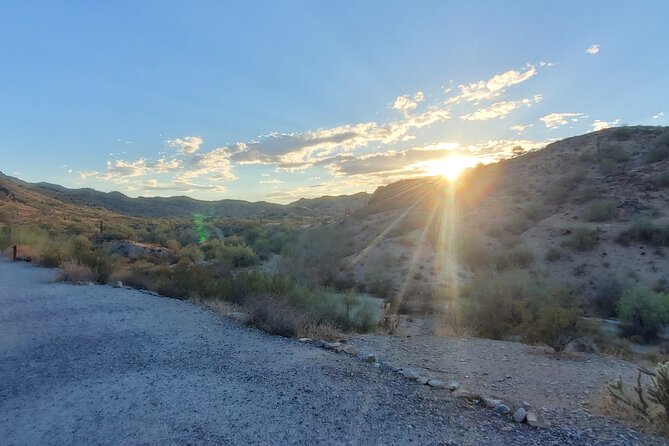
The activity details show admission as free. Even if you’re not there to calculate exact park value, that’s meaningful: it suggests you’re not paying extra entry just to participate. The value is in the guided part—the interpretation, the timing, and the safety support at dusk.
You’re also paying for the things that are hard to DIY: learning the plants and animals as you go, spotting petroglyphs and formations without missing them, and knowing what to listen for once it gets dark. A good guide turns a standard hike into a story you can take home.
And you can’t ignore the human factor. When people describe Scott Z as patient, well prepared, and consistently on the ball, that’s a quality signal for first-time hikers.
Who this is best for (and who should choose something else)
This hike is a strong match if you:
- Want Phoenix views without dealing with a complicated day plan
- Like learning outdoors in a hands-on way (plants, animals, desert history cues)
- Are okay with moderate effort and some rocky/steep sections
- Want sunrise or sunset because you prefer cooler walking and better light
You might skip this if:
- You need a fully flat route with no uneven or rocky areas
- You hate nighttime conditions and don’t want to manage darker footing (even with lighting options)
- You’re trying to do a super short “just walk around” excursion
Should you book the South Mountain sunrise/sunset hike?
Yes—if you want a real desert experience near Phoenix, this is an easy recommendation. The combination of skyline views, petroglyphs, and desert learning makes it feel more personal than a generic sightseeing stop. And if you choose the sunset or evening option, the nighttime details (listening for calls and the blacklight component) are exactly the kind of small, memorable extras that turn a hike into an event.
Book it especially if you’re new to desert hiking. You’ll spend your energy on walking, not on figuring out what you’re looking at. Just come prepared for moderate terrain, bring water, and dress for the temperature shift.
FAQ
How long is the South Mountain guided sunrise or sunset hike?
It’s listed as approximately 1 to 3 hours, and the hike is described as covering about 5 miles over 2–3 hours for a moderate route.
Where does the hike start?
The meeting point is the Pima Canyon Trailhead at 4500 E Pima Canyon Rd, Phoenix, AZ 85044. The hike ends back at the same meeting point.
Is this hike beginner-friendly?
It’s described as moderate with some steeper and rocky areas, but most travelers can participate. Solid shoes with ankle support are recommended.
Do I need to bring water and the right clothing?
Yes. Bring water. Sneakers at minimum are recommended for ankle support, and in winter a light jacket is suggested because it can get chilly.
Will there be flashlights or lighting at dusk or night?
You may not always need a flashlight depending on moon conditions, but flashlights are provided just in case.
What will we see besides views?
You’ll ascend for Phoenix views and you’ll also check out Sonoran Desert plant life and animals, plus ancient petroglyphs and rock formations.
What happens if the weather is poor?
This experience requires good weather. If it’s canceled due to poor weather, you’ll be offered a different date or a full refund.
More Guided Sonoran Desert Tours
- 3 Hour Guided TomCar ATV Experience in Sonoran Desert★ 5.0 · 1,947 reviews
- Guided Arizona Desert Tour by ATV – Centipede Tour★ 5.0 · 1,386 reviews
- Guided Arizona Desert Tour by UTV – Centipede Tour★ 5.0 · 1,216 reviews
- Ancient Ruins Tour – Guided Arizona Desert Tour by UTV★ 5.0 · 684 reviews
More Tour Reviews in Phoenix
- Small-Group or Private Grand Canyon with Sedona Tour from Phoenix★ 5.0 · 2,405 reviews
- Phoenix Morning Hot Air Balloon Ride with Bubbly + Breakfast★ 5.0 · 2,049 reviews
- 3 Hour Guided TomCar ATV Experience in Sonoran Desert★ 5.0 · 1,947 reviews
- Guided Arizona Desert Tour by ATV – Centipede Tour★ 5.0 · 1,386 reviews
More Camelback & Sonoran Desert Hikes
- Epic Camelback Mountain Guided Hiking Adventure in Phoenix, Arizona★ 5.0 · 250 reviews
- Phoenix Mountains Preserve Night Glow Hike★ 5.0 · 25 reviews
- Camelback’s Hidden Gems – Hike & Yoga with a View★ 5.0 · 18 reviews
- Phoenix: Amazing Two-Hour Guided Hike in the Sonoran Desert★ 5.0 · 17 reviews
Not sure yet? Here are more Phoenix tours and Arizona day trips in the guide




Camelback & Sonoran Desert Hiking, compared.
 ★ 5.0Epic Camelback Mountain Guided Hiking Adventure in Phoenix, ArizonaFrom $145250 reviews
 ★ 5.0Camelback E-Bike & Hike Tour – 2.5 HoursFrom $135132 reviews
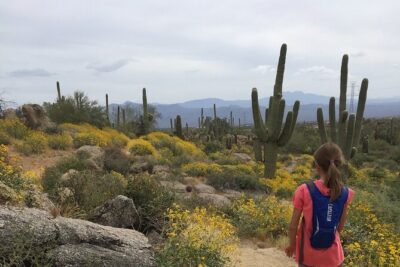 ★ 5.01-2 Hour Sonoran Desert Private Guided Hiking TourFrom $7076 reviews
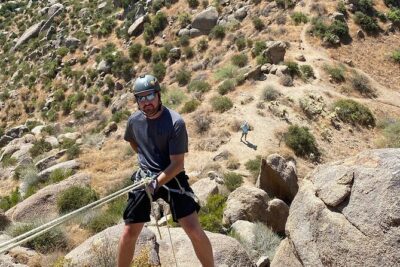 ★ 5.0Rappelling Adventure in ScottsdaleFrom $19257 reviews
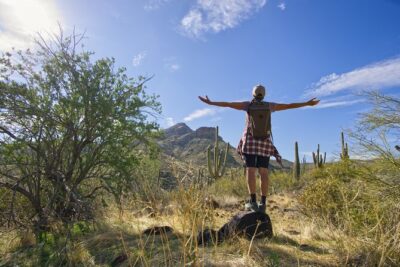 ★ 5.0Scottsdale Desert Classic Guided Hiking AdventureFrom $14545 reviews
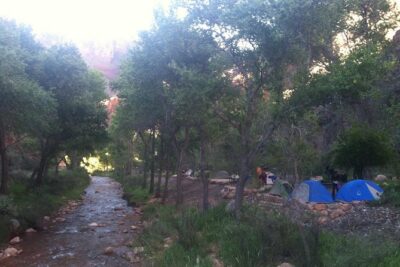 ★ 5.03-Day Grand Canyon Classic Hike to the Colorado River42 reviews
 ★ 5.0Phoenix Mountains Preserve Night Glow HikeFrom $7525 reviews
 ★ 5.0Water Canyon AdventureFrom $28024 reviews
Browse the lists this tour appears in