
Reviewed · CAMELBACK & SONORAN DESERT HIKING
Guided backpacking and hiking trip on Arizona’s Mogollon Rim
Three days off-road, and your feet do the talking. This Mogollon Rim backpacking trip gets you down into a remote canyon near Happy Jack, with a creek full of fish and swimming holes, without the usual crowd vibe. I love the small group feel, and I especially like that your guide, Christian, is a Wilderness First Responder with CPR certification.
The tradeoff is effort. You’ll descend about 800 feet in 0.7 mile, then face a tougher climb back out. Add a rough stretch of boulder hopping and bushwacking early on, and you’ll want to go in with sensible expectations.
If you’ve never backpacked before, you’re covered. Gear is provided, meals are handled, and Christian focuses on keeping the hike safe while still letting you enjoy the canyon for what it is: wild Arizona, up close.
In This Review
- Key highlights you should care about
- Why the Mogollon Rim trip feels different near Happy Jack
- Price and value: what $1,050 covers (and why it can be worth it)
- Gear setup: what you get, what you bring, and how to avoid packing chaos
- Included gear (the essentials)
- What you need to bring
- The hiking reality: your down-canyon start and the tough early section
- Day 1: the descent, the canyon floor, and getting to camp
- Camp life on the Mogollon Rim: your time for swimming, fishing, and birding
- Day 2: a full day in the creek country (with a pace you can manage)
- Day 3: the hike out and why your legs should be ready
- Small group hiking with a WFR guide: safety without killing the fun
- Where the trip starts in Phoenix, and how long you’re actually gone
- Who should book this Mogollon Rim backpack trip
- Should you book this Backpack Arizona Mogollon Rim trip?
- FAQ
- Do I need previous backpacking experience?
- What fitness level do I need?
- How big is the group?
- Is pickup available?
- What hiking difficulty should I expect?
- What gear is included, and what do I need to bring?
- Is food included?
- Does the guide have medical training?
Key highlights you should care about
- Christian’s WFR + CPR certification adds real peace of mind in remote terrain.
- Max group size of 4 means more personal pacing and less sitting around.
- All major camp gear included (tent, sleeping pad, sleeping bag, headlamp, dry bag, cooking setup).
- Steep, hands-on canyon access: 800 feet down fast, plus a quarter mile of boulders and bushwacking.
- Creek time for fishing and swimming once you reach camp and free-yourself hours.
- You control tent setup: share with your party or request a tent to yourself.
Why the Mogollon Rim trip feels different near Happy Jack
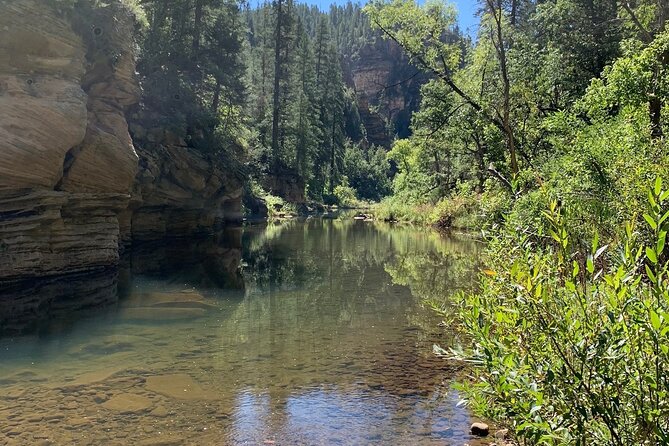
Most hiking trips start from a road, a parking lot, and a trail that already feels “visited.” This one starts with the opposite idea: get off the main road for a self-sufficient 3 day / 2 night backpacking route into a canyon system where you can enjoy quiet that’s hard to manufacture.
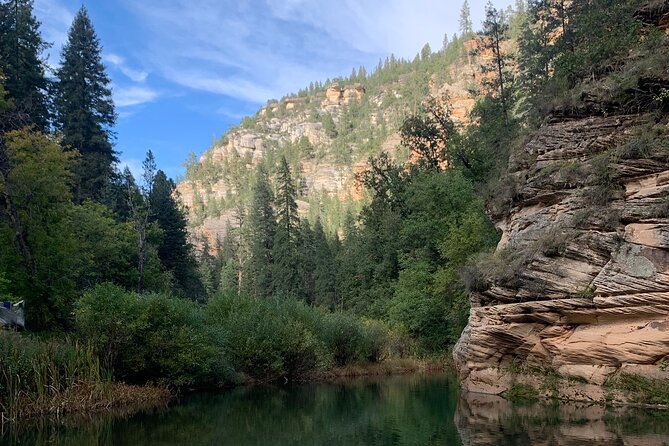
The Mogollon Rim area around Happy Jack has that classic Arizona “edge of the world” feeling. You’re not doing an easy stroll to a viewpoint. You’re hiking away from normal access, carrying what you need, and reaching a place where the creek becomes your rhythm. That matters because the trip doesn’t just give you views. It gives you time in a living landscape—water nearby, fish in the creek, and swimming holes you can actually use.
One more thing I like: there aren’t other overnight guides running this exact kind of access around there. Translation: you’re not competing for solitude. You’re building it.
Price and value: what $1,050 covers (and why it can be worth it)
At $1,050 per person for about 3 days, this isn’t a bargain-basement weekend. But it’s also not a “pay extra for your own sleeping setup” deal. The big value is that you’re paying for the whole backcountry package: the guide, remote access, transportation, and high-quality equipment that makes backpacking possible.
Here’s what’s included that usually costs real money if you do it yourself:
- Backpacking pack (60L), tent, sleeping pad, and sleeping bag
- Headlamp, dry bag, camp chair
- Cookware and utensils
- Breakfast and dinner
- Private transportation to and from the start point
- A guide who has the right medical certifications for remote areas
And a detail worth noting: your pack weight typically lands between 25 and 45 pounds depending on trip specifics. That range is part of the tradeoff for a true backpacking experience. If you go in knowing you’ll be carrying that weight, the rest of the trip feels like a fair exchange for being so far from the road.
More Camelback and Sonoran Desert hikes worth an early Phoenix start
Gear setup: what you get, what you bring, and how to avoid packing chaos
Backpacking fails in two ways: wrong gear, or wrong assumptions. This trip is designed to prevent both.
Included gear (the essentials)
You’ll get the core backcountry tools, including:
- 60L backpack, tent, sleeping pad, and sleeping bag
- Headlamp and dry bag (for the stuff you do not want soaked)
- Camp chair
- Cookware and utensils
The wording is top-of-the-line for the provided items, which matters because sleeping comfort and cooking basics are what usually determine whether you feel miserable or just tired.
What you need to bring
You provide:
- Clothing and footwear
- Rain gear
- Personal items
- Snacks
- A couple small gear items (not specified, so you’ll want to confirm what Christian expects you to pack beyond the basics)
Also, trekking poles aren’t included, so if you use them, bring your own.
A practical tip: since you’ll carry 25 to 45 pounds, pack like you mean it. The provided gear does the heavy lifting, so you’re mainly responsible for keeping your personal items tight and functional.
More guided Sonoran Desert tours we rate
- 3 Hour Guided TomCar ATV Experience in Sonoran Desert
★ 5.0 · 1,947 reviews - Guided Arizona Desert Tour by ATV – Centipede Tour
★ 5.0 · 1,386 reviews - Guided Arizona Desert Tour by UTV – Centipede Tour
★ 5.0 · 1,216 reviews - Ancient Ruins Tour – Guided Arizona Desert Tour by UTV
★ 5.0 · 684 reviews
The hiking reality: your down-canyon start and the tough early section
The trip requires moderate physical fitness. It also requires the right mental attitude: this is a backpacking hike, not a scenic walk.
You’ll start with a steep descent. Specifically, you’ll go down about 800 feet in 0.7 mile from the canyon rim. That’s fast elevation loss, which means your legs work hard on the way down, and your knees may get a say in how much you enjoy the whole thing.
Then, once you reach the canyon floor, the route includes a more physical stretch:
- About the next quarter mile involves boulder hopping and bushwacking
- It can be difficult to get through
This is the part where you’ll be glad you’re traveling with Christian, because a good guide helps you find workable lines and keeps the group moving without drama. After that rough quarter mile, the hike becomes more pleasant until you reach camp.
Why I think this matters: people often assume difficulty is just “distance.” Here, it’s footing, scrambling, and route choices. If you’re new to backpacking, don’t pretend that you’re doing it casually. Do it with patience, short steps, and trust the pace.
Day 1: the descent, the canyon floor, and getting to camp
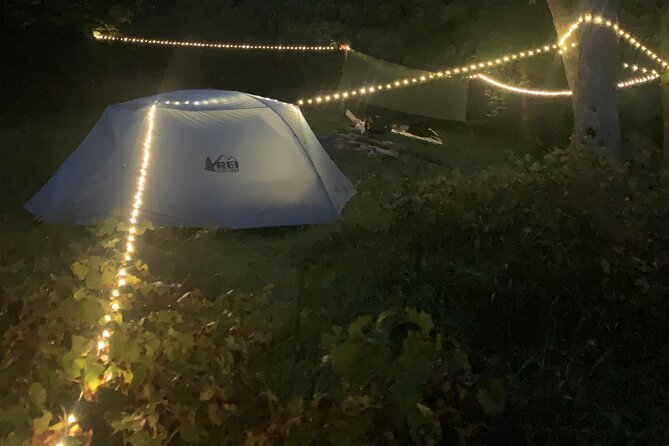
On day one, the main story is getting from rim-level to the place where the canyon changes the air. The first big moment is that steep drop—800 feet in 0.7 mile—so you’ll likely feel the hike almost immediately in your quads.
Next comes that rougher early section at the canyon floor: boulder hopping and bushwacking for about a quarter mile. This is not about speed. It’s about balance and staying calm when the trail isn’t exactly a trail.
Then you settle into the final approach to camp, and that shift—from effort to arrival—is part of the satisfaction. Once camp exists, the rest of your day becomes easier to handle mentally. You’ll have a base, a place to stop, cook, and rest, instead of constantly thinking about the next step.
Food on day one is also handled. Breakfast and dinner are included, and Christian helps prepare meals. Lunch is not included, so you’ll want to plan your own lunch timing and snack strategy around what you’re carrying.
Camp life on the Mogollon Rim: your time for swimming, fishing, and birding
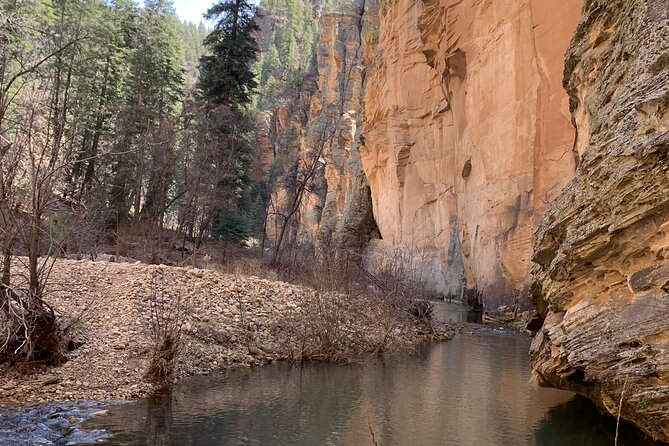
After camp is set up, the trip moves into its best mode: flexibility. This is where backpacking becomes more than logistics.
Christian leaves you free to enjoy the wilderness area as you please. Options include:
- Swimming in the canyon’s swimming holes
- Fishing in the creek
- Hiking around the area
- Birding
That list is small on purpose. It keeps the trip focused. You’re not racing from one programmed stop to another. Instead, you’re using the canyon environment you already carried yourself into.
This is also where I think the included camp chair and headlamp earn their keep. You’re not just sleeping; you’re settling in. A camp chair makes the after-hike part feel civilized. And at night, a headlamp keeps you moving without fumbling every time you need something.
One caution: swimming and fishing depend on conditions. The trip also requires good weather overall, so if conditions aren’t right, you might need to adjust plans when Christian makes the call.
Day 2: a full day in the creek country (with a pace you can manage)
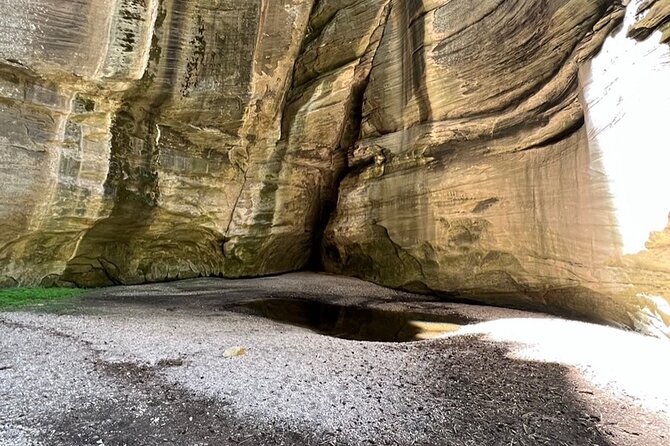
The second day is usually where you stop thinking about the climb out and start enjoying what you’re actually doing there: living in the canyon for real.
You’ll have camp in place, so your “hike” can be shorter trips or exploration, instead of a constant heavy push. That matters because it turns physical effort into experiences: time by the water, a wander up a nearby route, and the simple satisfaction of doing something you can’t do from a road.
Since you have options like swimming, fishing, birding, and hiking, you can match the day to your energy. Want a lighter day? Focus on creek time. Want to stretch your legs? Add some exploratory hiking around camp.
Also, the included meals matter here. Breakfast and dinner being covered means you’re not constantly rationing cooking stress. Lunch is still your job, but with camp established it’s easier to manage your own snack and lunch strategy.
Day 3: the hike out and why your legs should be ready
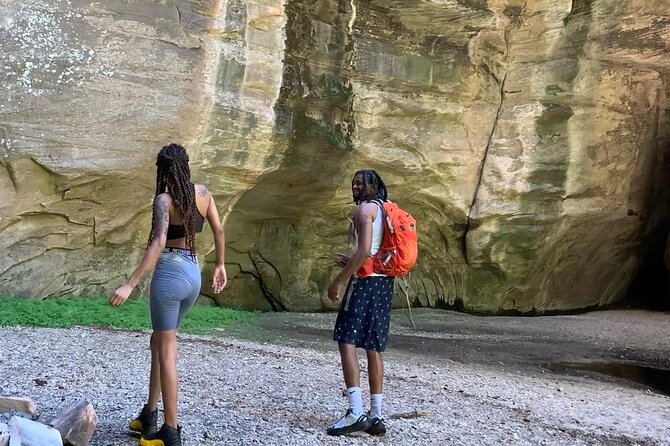
By day three, the story flips. You came down steeply, and now you’ll be working your way back out. The description is clear that the hike out is more strenuous because of that fast descent earlier.
Even if day three feels mentally easier because you’ve already reached camp, physically it’s the part where effort returns. Your legs will likely feel every step, especially on uneven ground where boulders and narrow paths show up again in different forms.
That’s also why this trip is best for people who have moderate physical fitness and can handle route changes. The bushwhacking detail is mentioned early, but the overall terrain is remote and not designed for flip-flop confidence.
Once you return, the activity ends back at the meeting point in Phoenix. Pickup is offered, so you’re not left to solve transportation like it’s a puzzle box.
Small group hiking with a WFR guide: safety without killing the fun
Christian is the reason this trip feels both adventurous and controlled. He’s a Wilderness First Responder and has CPR certification, and that shows up in how a guide moves through risk.
What you’ll notice in practice:
- The pace feels intentional, not reckless.
- You don’t get left to figure out the hard section on your own.
- Safety decisions can be made quickly when terrain changes or weather shifts.
The reviews highlight his friendly, easygoing style and his ability to tailor the wilderness experience around what you’re interested in. That flexibility helps if you’re more into swimming and fishing, or if you prefer hiking and birding and want those choices built into the day.
For solo hikers, the supportive vibe also matters. If you’re a little nervous about going by yourself, having a calm guide makes the first day feel less like a leap and more like a plan you’re walking into.
Where the trip starts in Phoenix, and how long you’re actually gone
The start point is 508 W Portland St, Phoenix, AZ 85003. The trip ends back at the meeting point. You can also request pickup, which simplifies the first-day logistics.
The operating window listed runs between 05/02/2025 and 10/26/2025, with activity time framed for Fridays through Sundays. Because the trip runs only on those days and depends on good weather, you’ll want to book with flexibility in mind.
Duration is about 3 days (approx.), and it’s 2 nights in camp. That’s the sweet spot for a backpacking trip: long enough to feel the shift into backcountry living, short enough that you’re not stuck for a full week.
Who should book this Mogollon Rim backpack trip
This is a great fit if:
- You want a true backpacking experience, not a day hike
- You’re okay with carrying 25 to 45 pounds
- You can handle a steep descent and a harder hike out
- You want included gear and guided meals
- You’re curious about fishing, swimming, and canyon exploration
It’s less ideal if:
- You struggle with steep grades, uneven footing, or scrambling
- You need a fully marked trail the entire way
- You don’t want to plan lunches and snacks yourself
The fact that it requires no previous backpacking experience is big. But it doesn’t mean it’s easy. It means Christian is ready to help you succeed.
Should you book this Backpack Arizona Mogollon Rim trip?
I’d book it if you want fewer crowds and more canyon time, with a guide who brings real safety training. The value comes from what’s included: you’re not just buying a hike; you’re buying the whole backcountry setup—sleep system, cooking basics, transport, and meals—plus a WFR guide named Christian who makes the terrain manageable.
Think twice if you’re worried about steep hiking, boulder hopping, or bushy route sections. This trip asks for effort, especially with that 800-foot descent that turns into a leg workout on the way back out.
If you’re excited by creek fishing, swimming holes, and the idea of spending your days away from roads, this is the kind of trip you remember.
FAQ
Do I need previous backpacking experience?
No. The trip is designed for people with no previous experience, and Christian provides gear plus a list of items for you to bring so you’re set up for a comfortable journey.
What fitness level do I need?
You should have moderate physical fitness. The hike includes a steep descent of about 800 feet in 0.7 mile and a more strenuous hike out.
How big is the group?
The maximum group size is 4 travelers.
Is pickup available?
Yes, pickup is offered, and the trip starts at 508 W Portland St, Phoenix, AZ 85003. The activity ends back at that meeting point.
What hiking difficulty should I expect?
Expect a steep downhill (800 feet in 0.7 mile). After reaching the canyon floor, there’s about a quarter mile of boulder hopping and bushwacking, which can be difficult to get through.
What gear is included, and what do I need to bring?
Included: backpacking pack (60L), tent, sleeping pad, sleeping bag, headlamp, dry bag, camp chair, and cookware/utensils, plus breakfast and dinner. You bring clothing, footwear, rain gear, personal items, snacks, and a couple small gear items. Trekking poles are not included.
Is food included?
Breakfast and dinner are included. Lunch and snacks are not included.
Does the guide have medical training?
Yes. The guide is a Wilderness First Responder (WFR) and has CPR certification.
More Guided Sonoran Desert Tours
- 3 Hour Guided TomCar ATV Experience in Sonoran Desert★ 5.0 · 1,947 reviews
- Guided Arizona Desert Tour by ATV – Centipede Tour★ 5.0 · 1,386 reviews
- Guided Arizona Desert Tour by UTV – Centipede Tour★ 5.0 · 1,216 reviews
- Ancient Ruins Tour – Guided Arizona Desert Tour by UTV★ 5.0 · 684 reviews
More Tour Reviews in Phoenix
- Small-Group or Private Grand Canyon with Sedona Tour from Phoenix★ 5.0 · 2,405 reviews
- Phoenix Morning Hot Air Balloon Ride with Bubbly + Breakfast★ 5.0 · 2,049 reviews
- 3 Hour Guided TomCar ATV Experience in Sonoran Desert★ 5.0 · 1,947 reviews
- Guided Arizona Desert Tour by ATV – Centipede Tour★ 5.0 · 1,386 reviews
More Camelback & Sonoran Desert Hikes
- Epic Camelback Mountain Guided Hiking Adventure in Phoenix, Arizona★ 5.0 · 250 reviews
- Phoenix Mountains Preserve Night Glow Hike★ 5.0 · 25 reviews
- Guided Desert Sunrise or Evening/Sunset 2-Hour Hike at South Mtn★ 5.0 · 22 reviews
- Camelback’s Hidden Gems – Hike & Yoga with a View★ 5.0 · 18 reviews
Not sure yet? Here are more Phoenix tours and Arizona day trips in the guide



Camelback & Sonoran Desert Hiking, compared.
 ★ 5.0Epic Camelback Mountain Guided Hiking Adventure in Phoenix, ArizonaFrom $145250 reviews
 ★ 5.0Camelback E-Bike & Hike Tour – 2.5 HoursFrom $135132 reviews
 ★ 5.01-2 Hour Sonoran Desert Private Guided Hiking TourFrom $7076 reviews
 ★ 5.0Rappelling Adventure in ScottsdaleFrom $19257 reviews
 ★ 5.0Scottsdale Desert Classic Guided Hiking AdventureFrom $14545 reviews
 ★ 5.03-Day Grand Canyon Classic Hike to the Colorado River42 reviews
 ★ 5.0Phoenix Mountains Preserve Night Glow HikeFrom $7525 reviews
 ★ 5.0Water Canyon AdventureFrom $28024 reviews
Browse the lists this tour appears in